Iran stands at a historic crossroads. As Iranians prepare for Ayatollah Ali Khamenei’s funeral, tensions escalate across the Middle East. Meanwhile, Tehran continues military posturing and strategic operations against regional adversaries. These Iran and US war live updates provide essential context for readers in Pakistan, Iran, the United States, Israel, Dubai, Saudi Arabia, and Qatar who seek reliable, real-time geopolitical insight.
This article delivers fact-based analysis, regional impact assessment, and verified developments shaping one of the most volatile moments in modern Middle Eastern politics.
Khamenei’s Funeral Preparations Amid Regional Escalation
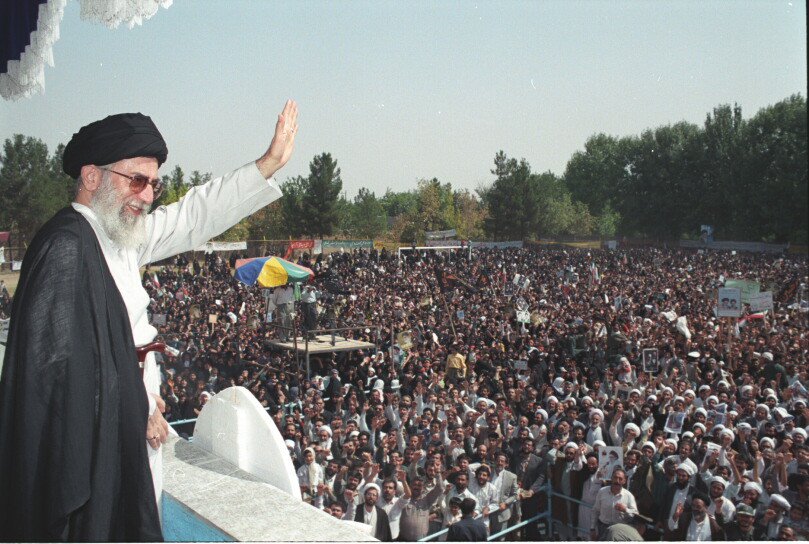
As preparations unfold in Tehran, state institutions mobilize massive security deployments. The funeral of Ali Khamenei marks the end of an era that defined Iran’s ideological direction for decades.
Why the Funeral Matters Politically
The ceremony is not only religious—it is strategic.
- It signals continuity or transformation in Iran’s leadership.
- It influences succession debates within the clerical establishment.
- It affects regional military calculations.
- It shapes public morale amid economic pressure.
Moreover, state media frames the funeral as a symbol of resistance against Western pressure. As a result, political messaging blends mourning with defiance.
At the same time, intelligence agencies across the region closely monitor succession signals. Leadership transition in Iran has historically reshaped foreign policy dynamics.
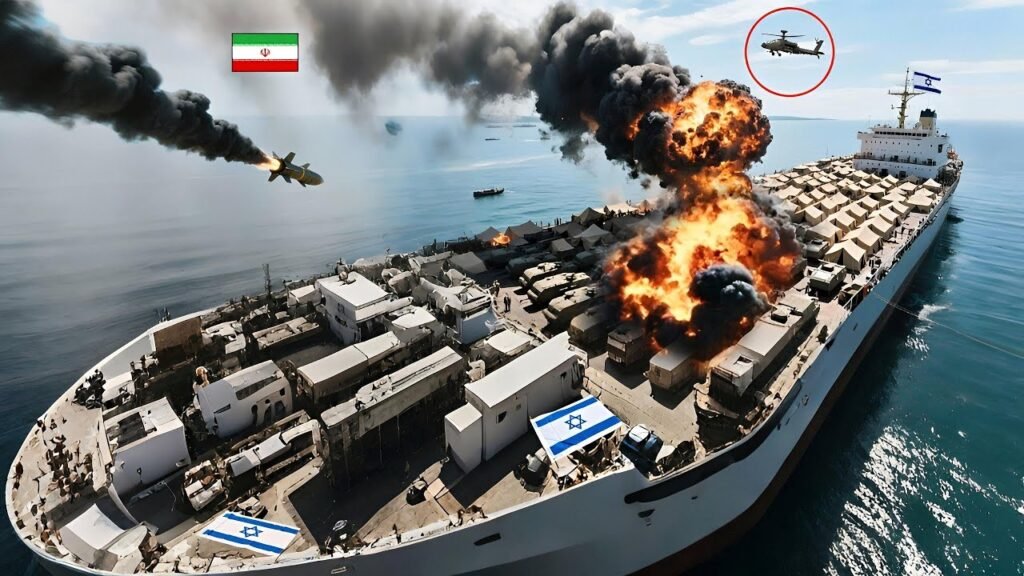
Tehran Keeps Up Attacks on Regional Adversaries
While preparations continue, military operations and proxy engagements persist. Reports indicate increased missile readiness and expanded defensive positioning.
Strategic Targets and Messaging
Tehran’s posture reflects several objectives:
- Deterrence against Israel
- Pressure on US regional bases
- Demonstration of resilience during leadership transition
- Reassurance to allied militias
Tensions between Iran and Israel remain especially high. In recent weeks, cross-border threats intensified. Additionally, US military installations across the Gulf remain on heightened alert.
These developments fuel global interest in Iran and US war live updates, as investors, diplomats, and policymakers seek clarity.
US Response and Strategic Calculations
The United States has adopted a cautious yet firm approach. Officials emphasize deterrence while avoiding direct large-scale confrontation.
Key US Priorities
- Protecting Gulf allies such as Saudi Arabia and Qatar
- Safeguarding shipping lanes near the Strait of Hormuz
- Preventing escalation into full regional war
- Coordinating intelligence with Israel
Furthermore, Washington signals readiness for targeted responses if provoked. However, it avoids rhetoric that could accelerate conflict.
Because oil markets react instantly to Gulf instability, economic considerations heavily influence US decision-making.
Regional Impact: Pakistan, Gulf States, and Beyond
Pakistan’s Strategic Position
Pakistan watches developments carefully. Although Islamabad maintains diplomatic ties with Tehran, it also values relations with Gulf partners and the US.
Potential implications for Pakistan include:
- Border security concerns
- Energy supply disruptions
- Refugee pressure
- Diplomatic balancing challenges
Gulf Economies Under Pressure
Cities like Dubai face financial market volatility during periods of regional tension. Insurance rates for shipping rise. Meanwhile, energy exporters benefit from short-term price spikes.
Therefore, the funeral and simultaneous military posture send ripple effects across trade corridors linking Asia, the Middle East, and Europe.
Iran and US War Live Updates: What Happens Next?
Although speculation dominates headlines, several scenarios remain possible.
Scenario 1: Controlled Escalation
Iran increases rhetoric but limits direct engagement. The US responds symbolically. Markets stabilize.
Scenario 2: Proxy Conflict Expansion
Militias intensify attacks on US-linked assets. Israel conducts targeted strikes. Diplomatic channels attempt de-escalation.
Scenario 3: Direct Confrontation
A miscalculation triggers open military exchange. This scenario would dramatically affect oil prices and regional security.
Currently, intelligence sources suggest controlled escalation remains the most probable outcome. Nevertheless, leadership transition increases unpredictability.
Economic and Energy Market Implications
Energy markets respond immediately to instability in the Gulf.
Key impacts include:
- Rising crude oil prices
- Increased maritime insurance premiums
- Stock market volatility
- Currency fluctuations in emerging markets
For example, traders in Dubai and Doha track shipping updates hourly. Meanwhile, Asian economies dependent on Middle Eastern oil assess risk exposure.
As a result, Iran and US war live updates directly influence global economic sentiment.
Information Warfare and Media Narratives
In addition to military moves, digital narratives intensify. State-aligned outlets in Tehran emphasize sovereignty and resilience. Conversely, Western platforms highlight regional security risks.
Because misinformation spreads rapidly, readers must rely on verified sources. At Daily Zee Online, we prioritize contextual reporting over sensationalism.
Comparison: Leadership Transition in Iran vs Past Regional Crises
To understand the current moment, consider previous turning points:
| Event | Regional Reaction | Global Impact |
| Iranian Revolution (1979) | Ideological shift | Oil crisis |
| Iraq War (2003) | Power vacuum | Long-term instability |
| Soleimani Killing (2020) | Missile retaliation | Temporary escalation |
The current transition resembles past high-risk periods; however, global economic interdependence now raises stakes significantly.
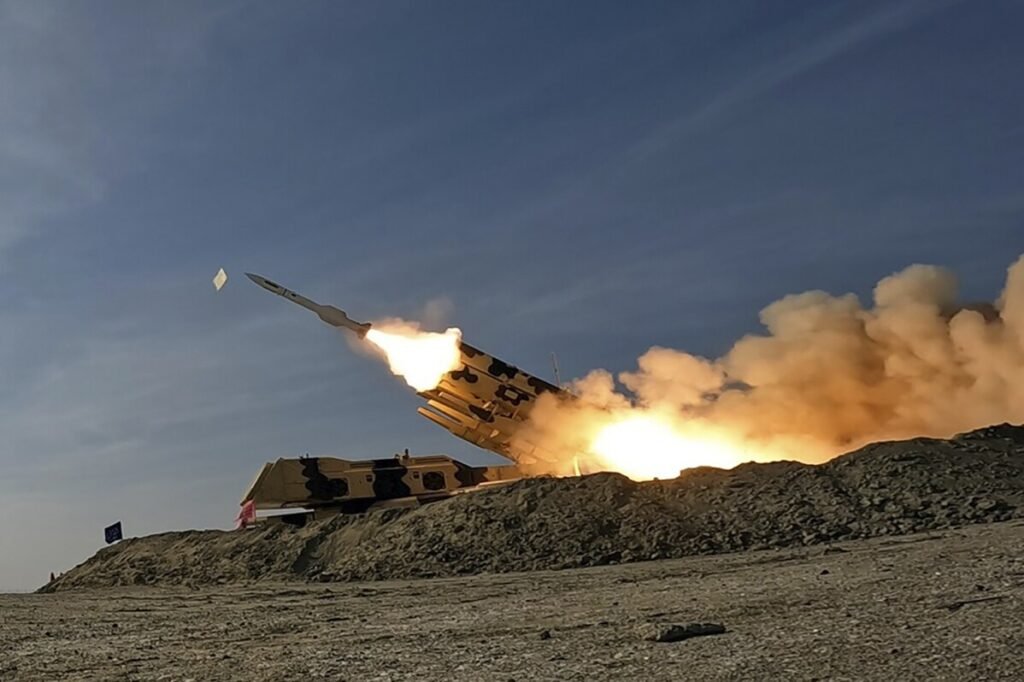
Why These Iran and US War Live Updates Matter Globally
This crisis extends beyond politics.
- It affects international trade.
- It influences global energy prices.
- It reshapes alliances.
- It tests deterrence strategies.
Moreover, leadership change inside Tehran could alter nuclear negotiations, sanctions policy, and diplomatic engagement with Washington.
Therefore, monitoring developments is not optional—it is essential.
Conclusion
Iran enters a sensitive period as preparations for Khamenei’s funeral unfold amid sustained regional tension. Simultaneously, Tehran maintains military readiness, signaling strength during transition. The United States balances deterrence with restraint, while regional actors calculate risks carefully.
Because energy markets, diplomatic alliances, and public sentiment remain interconnected, each development carries global consequences. These Iran and US war live updates will continue shaping Middle Eastern geopolitics in the coming weeks.
Stay informed with Daily Zee Online for verified analysis, regional insight, and strategic reporting. Bookmark this page and follow our updates for real-time coverage.
Frequently Asked Questions (FAQs)
1. What triggered the current Iran-US tensions?
Tensions stem from long-standing disputes over sanctions, regional proxy conflicts, and military deterrence strategies.
2. How could Khamenei’s funeral impact Iran’s foreign policy?
Leadership transition may influence strategic decisions, especially regarding nuclear negotiations and regional alliances.
3. Is a direct war between Iran and the US likely?
Although tensions remain high, both sides currently appear focused on controlled escalation rather than full-scale war.
4. How do these developments affect oil prices?
Any instability near the Strait of Hormuz often increases oil prices due to supply concerns.
5. How should businesses in Pakistan or the Gulf prepare?
Companies should monitor shipping costs, insurance rates, and currency fluctuations while maintaining contingency plans.
About the Author
Editorial Team – Daily Zee Online
The Daily Zee Online geopolitical desk specializes in Middle Eastern security, global energy markets, and international diplomacy. Our analysts combine regional expertise with verified data sources to deliver accurate, EEAT-compliant reporting for readers across Pakistan, Iran, the United States, Israel, and the Gulf region.
For more trusted updates, visit: https://dailyzee.online/