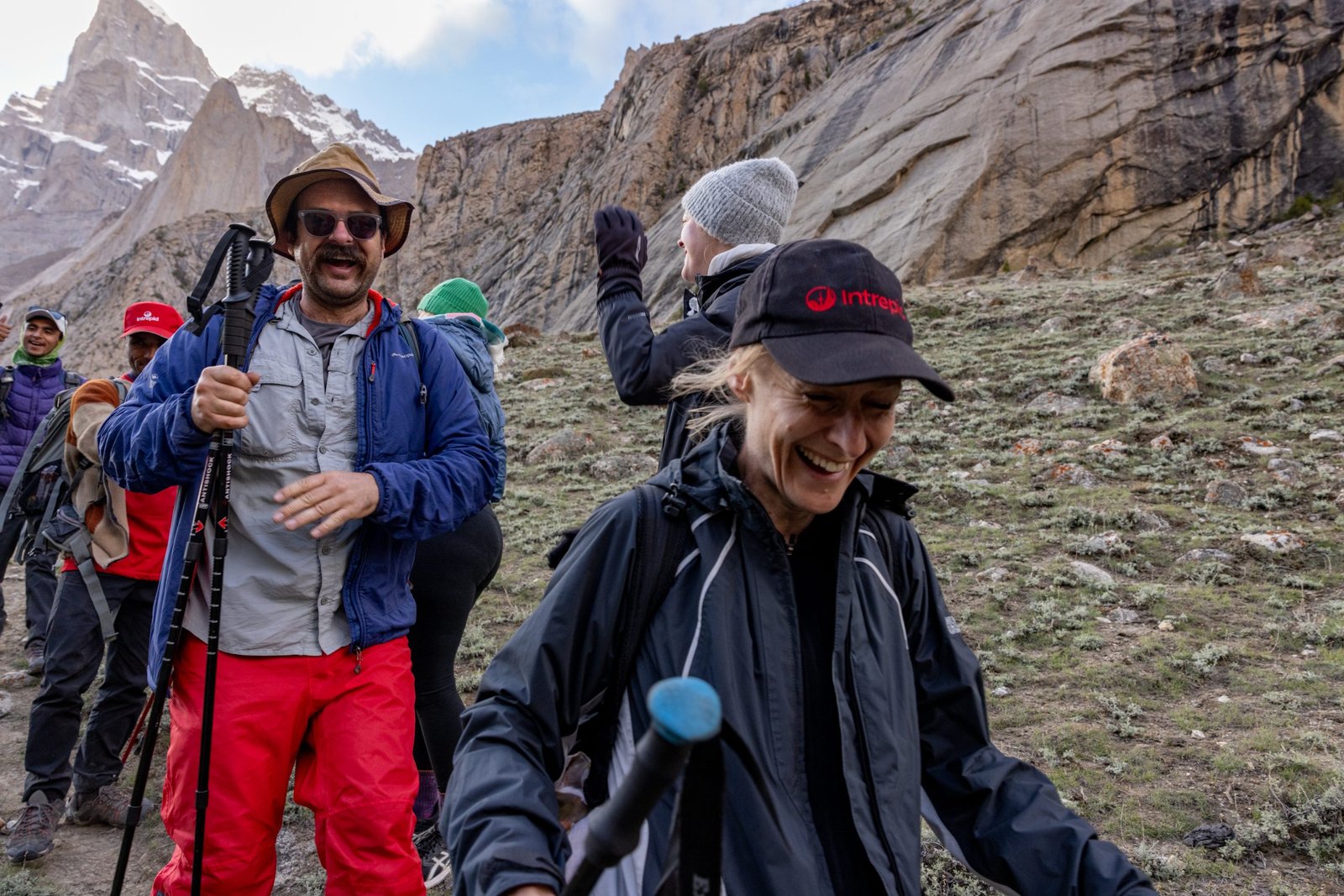
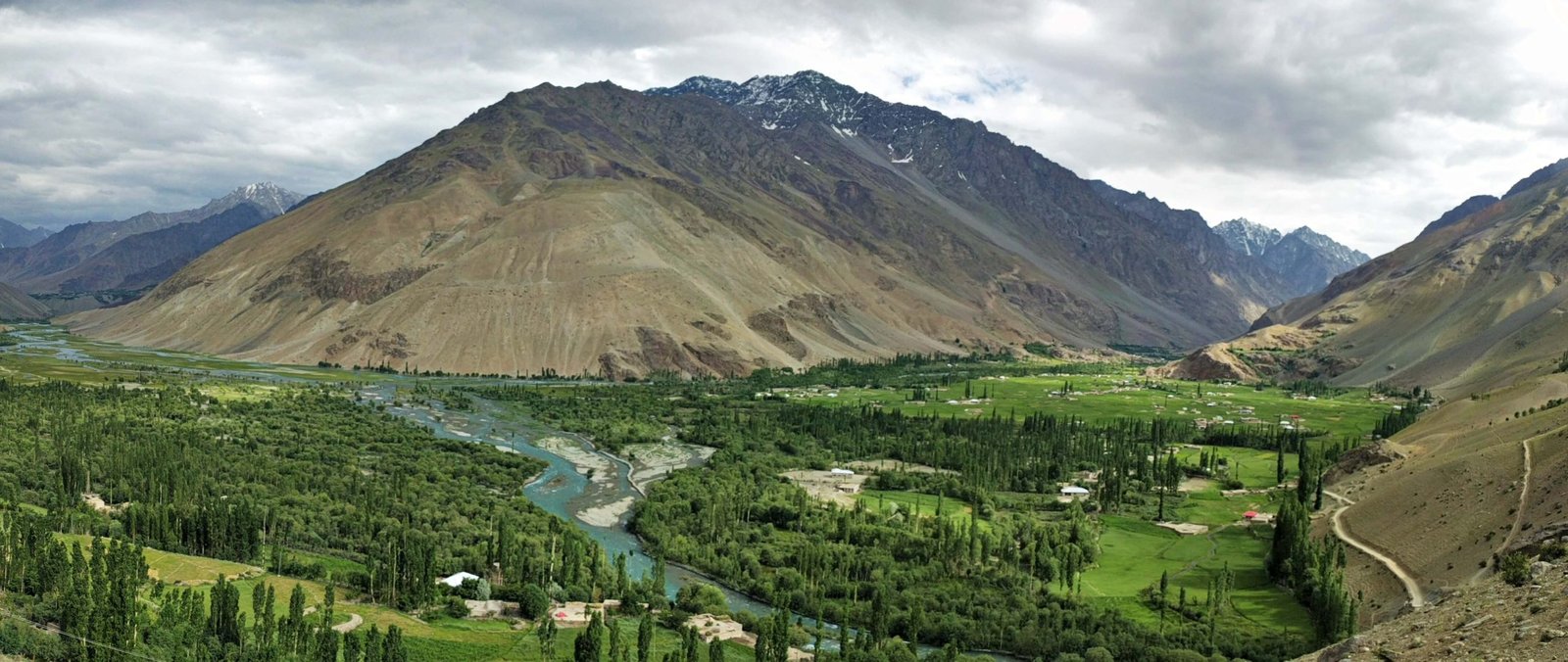
Travelers searching for untouched landscapes, dramatic peaks, and authentic culture often discover the unmatched beauty of Gilgit Baltistan. While many tourists visit popular destinations like Hunza Valley and Skardu, the region hides lesser-known valleys that remain raw, peaceful, and breathtaking.
If you want an informational guide, travel comparison insights, and practical tips before planning your trip, this detailed guide will help you explore the true beauty of Gilgit Baltistan beyond the usual tourist routes.
Why the Beauty of Gilgit Baltistan Stands Unmatched
Gilgit Baltistan sits in northern Pakistan and connects borders with China and the United Kingdom’s historic Silk Route trading legacy. Moreover, the region lies at the junction of three major mountain ranges:
- Karakoram
- Himalayas
- Hindu Kush
Because of this rare geography, the beauty of Gilgit Baltistan offers:
- Towering snow-capped peaks
- Alpine meadows
- Glacial rivers
- Crystal-clear lakes
- Rich Balti and Shina culture
Additionally, the region hosts K2, the second-highest mountain in the world. However, beyond these famous landmarks, hidden valleys reveal a quieter and more intimate side of nature.
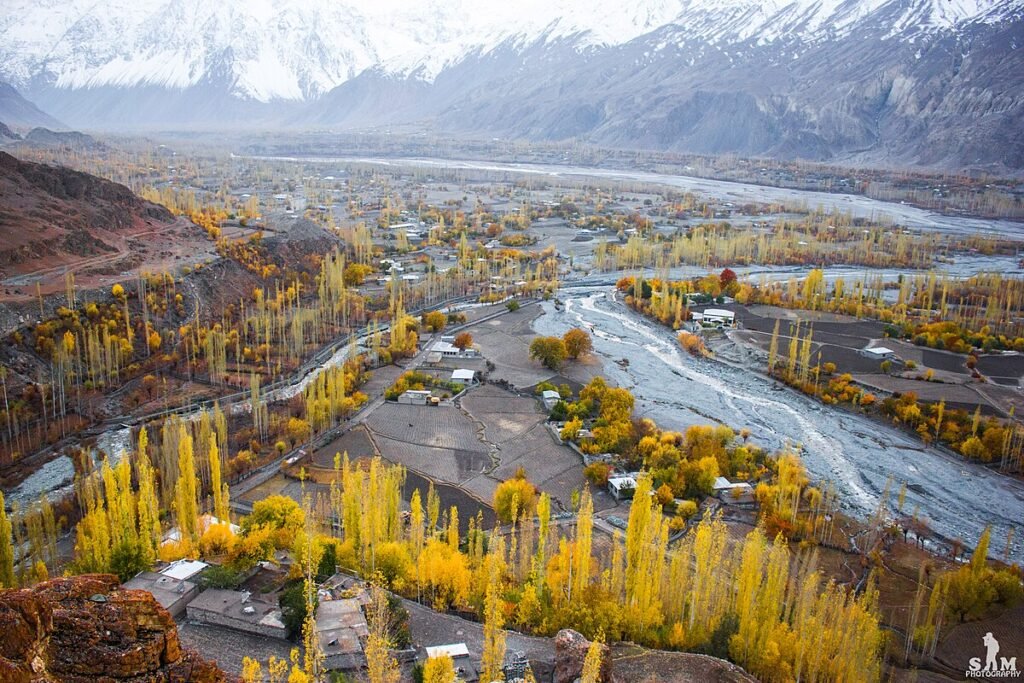
Hidden Valleys of Gilgit Baltistan
1. Yasin Valley – The Silent Paradise
Located west of Gilgit, Yasin Valley remains one of the most peaceful destinations in the region. Unlike Hunza, Yasin sees fewer tourists. Therefore, visitors experience authentic village life and untouched scenery.
Why Visit Yasin?
- Traditional wooden houses
- Apricot orchards
- Snowy peaks and river views
- Rich Wakhi and Burusho culture
Because tourism remains limited here, the beauty of Gilgit Baltistan feels more personal and immersive in Yasin.
2. Phander Valley – Switzerland of Pakistan?
Many locals compare Phander Valley to Switzerland due to its lush green fields and turquoise river. While Switzerland offers alpine charm, Phander presents similar scenery at a fraction of the cost.
Key Attractions:
- Phander Lake’s reflective waters
- Trout fishing spots
- Calm camping sites
If you compare travel costs, accommodation in Phander costs significantly less than European destinations. Therefore, travelers seeking affordability and natural charm find exceptional beauty of Gilgit Baltistan here.
3. Gurez Valley – Near the Line of Control
Situated close to the Pakistan-India border, Gurez Valley offers dramatic landscapes and wooden architecture. Because access was once restricted, the valley preserved its natural ecosystem.
Highlights include:
- Habba Khatoon peak
- Wooden log houses
- Wildflower meadows
As a result, the beauty of Gilgit Baltistan appears wild and untouched in Gurez.
4. Hushe Valley – Gateway to Mighty Peaks
Hushe Valley lies southeast of Skardu and serves as a base for trekkers heading toward high-altitude mountains. Although Skardu attracts mainstream tourism, Hushe offers raw mountain drama.
Trekkers often prepare here before expeditions toward peaks in the Karakoram range. Consequently, adventure tourism thrives, and the beauty of Gilgit Baltistan shines through glaciers, rugged terrain, and star-filled skies.
Comparing Popular vs Hidden Valleys
| Feature | Hunza Valley | Hidden Valleys |
| Tourist Flow | High | Low to Moderate |
| Infrastructure | Developed | Basic |
| Cultural Exposure | Moderately Commercial | Highly Authentic |
| Cost | Higher | Affordable |
| Nature | Scenic | Untouched & Raw |
While Attabad Lake and Baltit Fort attract global visitors, hidden valleys preserve deeper layers of the beauty of Gilgit Baltistan.
Best Time to Explore the Beauty of Gilgit Baltistan
Timing plays a major role in your experience.
Spring (April–May)
- Cherry blossoms in Hunza
- Mild weather
- Ideal photography season
Summer (June–September)
- Best for trekking
- Accessible mountain passes
- Clear skies
Autumn (October)
- Golden foliage
- Fewer crowds
- Dramatic landscapes
However, winter travel requires preparation due to heavy snowfall and road closures.
How to Reach Gilgit Baltistan
Travelers from Pakistan, the United Kingdom, or China have multiple routes:
By Air
Flights operate from Islamabad to Gilgit and Skardu (weather dependent).
By Road
The legendary Karakoram Highway connects Pakistan to China and offers one of the world’s most scenic drives.
Because road trips allow scenic stops, many tourists prefer driving to fully appreciate the beauty of Gilgit Baltistan.
Travel Tips for First-Time Visitors
- Book accommodations in advance during peak season.
- Carry cash, as ATMs remain limited in remote valleys.
- Respect local customs and dress modestly.
- Hire local guides for trekking routes.
- Pack layered clothing due to temperature shifts.
Moreover, always check weather forecasts before traveling to high-altitude regions.
Cultural Richness Beyond Landscapes
The beauty of Gilgit Baltistan extends beyond mountains. The region celebrates:
- Traditional Balti music
- Local festivals like Jashn-e-Baharan
- Handwoven wool crafts
- Organic apricot-based dishes
Therefore, visitors experience both scenic and cultural immersion.
Why the Beauty of Gilgit Baltistan Appeals Globally
Travelers from the United Kingdom appreciate the alpine resemblance. Meanwhile, Chinese tourists enjoy easy access through the Karakoram Highway. Pakistani travelers, on the other hand, see it as a national treasure.
Because adventure tourism continues to grow, the beauty of Gilgit Baltistan now attracts hikers, photographers, vloggers, and eco-tourists worldwide.
Conclusion
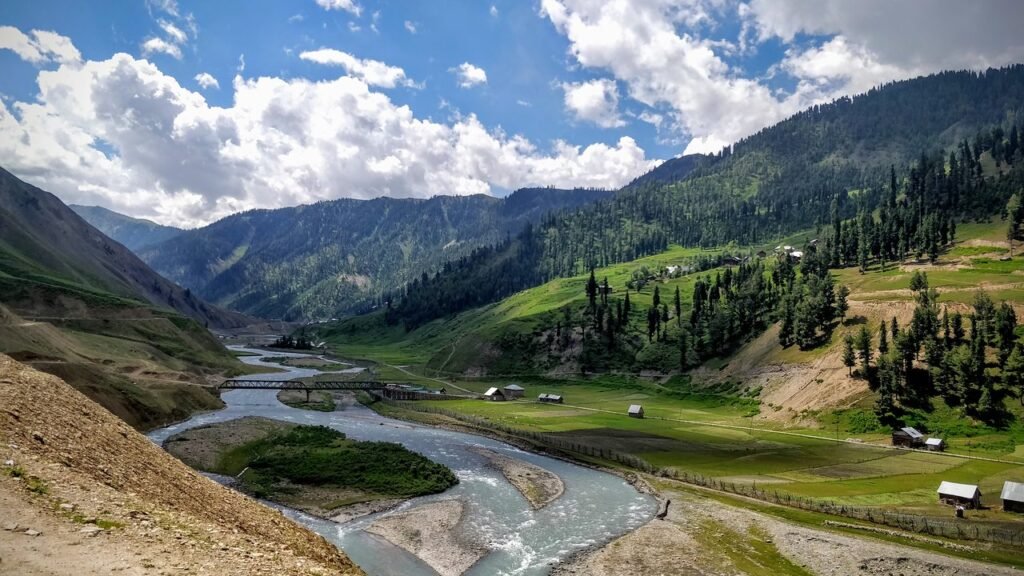
The hidden valleys of Gilgit Baltistan reveal a side of Pakistan that many travelers overlook. While popular destinations offer convenience, lesser-known regions deliver authenticity, peace, and dramatic scenery. From Yasin’s orchards to Hushe’s glaciers, the beauty of Gilgit Baltistan shines in every season.
If you crave untouched nature, cultural richness, and affordable adventure, now is the perfect time to plan your journey. Explore more detailed travel guides on Daily Zee Online and start preparing for your unforgettable northern escape.
Frequently Asked Questions (FAQs)
1. What makes the beauty of Gilgit Baltistan unique?
The region combines three mountain ranges, high-altitude lakes, glaciers, and vibrant cultures, creating unmatched natural diversity.
2. Is Gilgit Baltistan safe for tourists?
Yes, most tourist areas remain safe. However, travelers should check local advisories and weather updates before visiting remote valleys.
3. What is the best month to visit Gilgit Baltistan?
June to September offers ideal trekking weather, while April and October provide stunning seasonal colors.
4. How expensive is a trip to Gilgit Baltistan?
Costs vary, but hidden valleys generally offer affordable lodging and food compared to international mountain destinations.
5. Do foreign tourists need permits?
Some border areas may require special permits. Always confirm travel requirements before planning.
About the Author
Daily Zee Online Travel Desk specializes in covering Pakistan’s emerging tourism destinations with research-backed, experience-driven insights. Our team collaborates with local guides and regional experts to provide accurate, trustworthy, and practical travel content for global readers.