The Pakistan solar net metering system allows homeowners and businesses to generate electricity through solar panels and export excess power back to the national grid. In return, consumers receive credits on their electricity bills. As energy prices continue to rise in Pakistan, more people search for reliable ways to reduce monthly costs and achieve energy independence.
This guide explains how the policy works, who qualifies, how to apply, and whether investing in solar net metering makes financial sense in 2026.
What Is Pakistan Solar Net Metering?
The Pakistan solar net metering policy, introduced by NEPRA (National Electric Power Regulatory Authority), enables electricity consumers to install grid-tied solar systems and sell surplus electricity to their respective DISCO (Distribution Company).
In simple terms:
- You install a solar system.
- You consume the generated electricity.
- You export excess power to the grid.
- Your DISCO adjusts units against your monthly bill.
As a result, your electricity bill decreases significantly, and in some cases, it can even become zero.
How Pakistan Solar Net Metering Works
Understanding the mechanism helps you decide whether the system suits your energy needs.
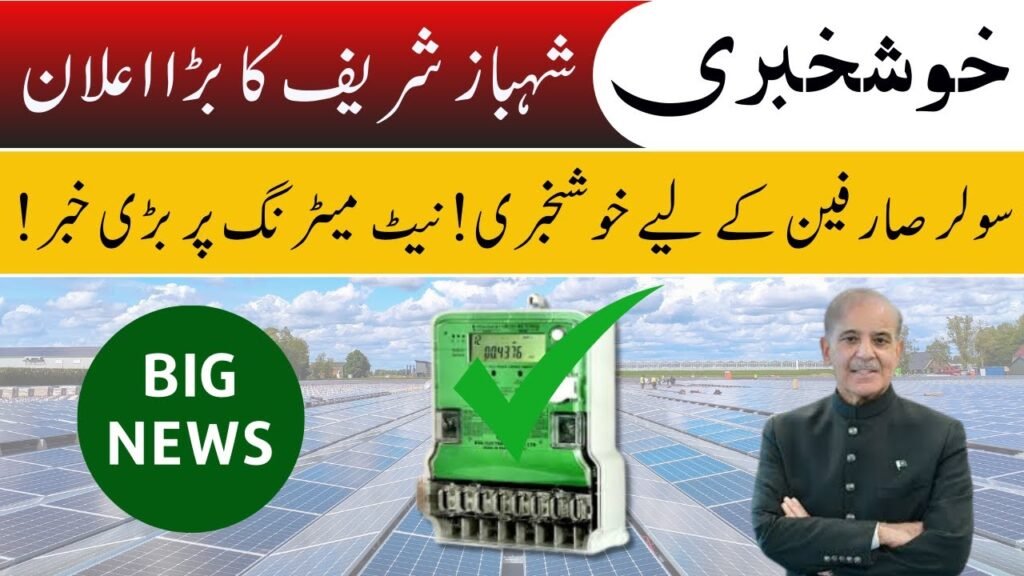
1. Bi-Directional Meter Installation
A special net meter replaces your regular meter. This meter:
- Records imported electricity from the grid.
- Records exported electricity sent to the grid.
2. Unit Adjustment
At the end of the billing cycle:
- Imported units – Exported units = Net payable units.
Therefore, if you export more electricity than you consume, the extra units carry forward to the next month.
3. Applicable Consumers
Currently, the policy applies to:
- Residential consumers
- Commercial buildings
- Industrial units
- Agricultural consumers
However, the system capacity must typically range between 1kW to 1MW, depending on DISCO regulations.
Eligibility Criteria for Net Metering in Pakistan
To apply for pakistan solar net metering, you must meet these requirements:
- Three-phase electricity connection
- Solar inverter approved by NEPRA
- System capacity not exceeding sanctioned load
- Complete application submission to DISCO
Additionally, you must ensure your installer follows safety and grid compliance standards.
Step-by-Step Process to Apply
If you plan to install a solar system, follow this structured process:
Step 1: System Installation
Hire a certified solar installer to:
- Conduct site assessment
- Design the system
- Install solar panels and inverter
Step 2: Submit Application to DISCO
You must submit:
- Application form
- Copy of CNIC
- Electricity bill copy
- Single line diagram (SLD)
- Inverter specifications
Step 3: Technical Evaluation
DISCO reviews the system design and inspects the installation.
Step 4: Net Meter Installation
After approval, DISCO installs the bi-directional meter.
Step 5: Agreement Signing
Finally, you sign a net metering agreement valid for several years.
The entire process typically takes 30–60 days, depending on your region.
Financial Benefits of Pakistan Solar Net Metering
Rising electricity tariffs have increased interest in renewable energy solutions. Therefore, understanding the financial return is essential.
Key Financial Advantages
- 60–80% reduction in electricity bills
- ROI within 3–4 years
- Protection against tariff hikes
- Increased property value
For example, a 10kW system in Pakistan can generate approximately 1,200–1,400 units per month. If your monthly consumption falls within that range, you may significantly reduce your bill.
Net Metering vs Off-Grid Solar System
Many consumers compare options before investing.
| Feature | Net Metering | Off-Grid Solar |
| Grid Connection | Required | Not Required |
| Battery Need | Optional | Mandatory |
| Cost | Lower | Higher |
| Maintenance | Moderate | Higher |
| Energy Backup | Grid Supported | Battery Dependent |
Therefore, if you already have a stable grid connection, net metering usually offers better financial returns.
Challenges in Pakistan Solar Net Metering
While the system offers strong benefits, some challenges remain:
- Policy revisions and tariff adjustments
- Application delays in certain DISCOs
- High upfront installation cost
- Grid capacity limitations
However, despite these concerns, demand continues to grow across Pakistan, especially in Lahore, Karachi, and Islamabad.
Government Regulations & NEPRA Role
NEPRA regulates the pakistan solar net metering framework under the Distributed Generation & Net Metering Regulations. The authority:
- Approves inverter models
- Defines export tariff mechanisms
- Sets technical compliance standards
- Updates policies periodically
Therefore, consumers must always verify the latest NEPRA notifications before investing.
Is Pakistan Solar Net Metering Worth It in 2026?
Considering current electricity prices and fuel adjustments, solar investment remains financially attractive. Moreover, Pakistan enjoys strong sunlight throughout the year, which improves energy production efficiency.
If you:
- Pay high monthly bills
- Have rooftop space
- Plan long-term property ownership
Then installing a net-metered solar system can be a smart decision.
Internal Linking Suggestions
For better SEO performance on Daily Zee Online, link this blog to:
- Solar panel price in Pakistan
- Best solar inverter brands in Pakistan
- How to reduce electricity bill in Pakistan
- Renewable energy policies in Pakistan
This improves topical authority and strengthens semantic relevance.
Conclusion
The pakistan solar net metering policy empowers consumers to produce their own electricity and reduce dependency on expensive grid power. It offers financial savings, energy independence, and environmental benefits. Although the application process requires documentation and compliance, the long-term advantages outweigh the initial effort.
If you want to lower your electricity costs and secure your energy future, now is the right time to explore net metering options. Consult a certified installer and begin your transition toward clean energy today.
Frequently Asked Questions (FAQs)
1. What is the current net metering rate in Pakistan?
The export rate depends on NEPRA regulations and may vary based on policy updates. Always check with your local DISCO for current rates.
2. Can single-phase consumers apply for net metering?
In most cases, consumers need a three-phase connection. However, regulations may vary by DISCO.
3. How long does net metering approval take?
The approval process typically takes 30 to 60 days if documentation is complete.
4. What happens if I generate more electricity than I use?
Excess units carry forward to the next billing cycle as credits.
5. Is net metering available across Pakistan?
Yes, major DISCOs across Pakistan offer net metering under NEPRA guidelines.
About the Author
Muhammad Zeeshan Shafiq is an energy policy researcher and digital content strategist at Daily Zee Online. He specializes in renewable energy trends, solar investment analysis, and regulatory updates in Pakistan. With years of experience in SEO-driven publishing and market research, he delivers accurate, practical, and trustworthy insights for Pakistani consumers.